
 Posts
Posts


Weathers
- Thomas Hardy
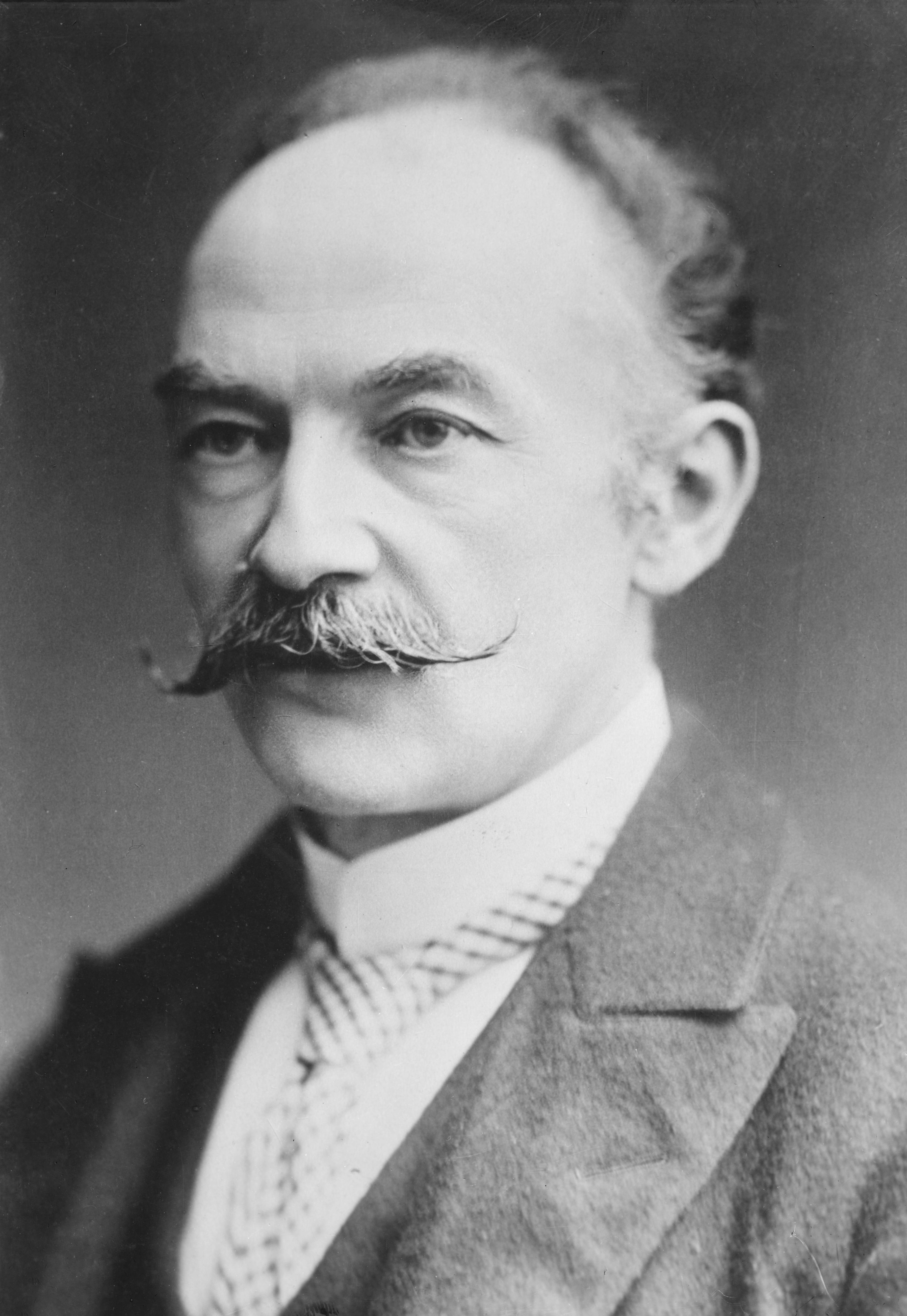 Thomas Hardy (2 June 1840 – 11 January 1928) was an English
novelist and poet. He was born in Dorsetshire, England. He trained as an
architect and worked in London and Dorset for ten years. He was a trained
architect. He began his writing career as a novelist in1870, and was soon
successful enough to leave the field of architecture for writing. He wrote a
lot about weathers, in his poetry and in his novels.
Thomas Hardy (2 June 1840 – 11 January 1928) was an English
novelist and poet. He was born in Dorsetshire, England. He trained as an
architect and worked in London and Dorset for ten years. He was a trained
architect. He began his writing career as a novelist in1870, and was soon
successful enough to leave the field of architecture for writing. He wrote a
lot about weathers, in his poetry and in his novels. About Poem:
The poem „Weathers‟ is a beautiful lyrical poem. He talks
about the spring and the winter seasons in the UK.
 In the first stanza he talks about the beauty and liveliness
of the spring season. He says that in this season the rain flows quickly over
chestnut tree and nightingale sings well. People come out to enjoy the weather
and the birds‟ song. The girls are seen in their fine clothes and the people
plan to visit different places.
In the first stanza he talks about the beauty and liveliness
of the spring season. He says that in this season the rain flows quickly over
chestnut tree and nightingale sings well. People come out to enjoy the weather
and the birds‟ song. The girls are seen in their fine clothes and the people
plan to visit different places.
In the second stanza he talks about the dullness and
laziness of the winter season and the cold, damp and wet weather. He says that
the cuckoo (bird) dislikes this weather and the beech (trees) turn dry and
brown and move around in the wind. It rains a lot and rain or water drops hang
from the wooden horizontal „bars‟ of field gates. The birds (rooks) retire to
their homes. He says he dislikes this season because the winter season is very
cold and wet.
We may say that symbolically the poem represents the bright
and dark aspects of human life.
Words:
showers: n. = time of rain or snow
betumble: v. =
fall downward
chestnut: n. = a large tree that produces nuts covered with
spikes
spike: n= sharp and pointed objects
nestlings: n = young birds
bills: v.
= poke with beak
sprig-muslin: n= fine transparent decorated cotton clothes
shun: v = avoid
beeches: n. a tall forest tree with shiny leaves and small nuts
dun: adj= grayish
thresh: v. = separate grains
throb: v. = beat hard
throe: v.
= sound caused by deadly pain
Developed by National Centre for Educational Development (NCED) 2069


