Welcome to our website. Neque porro quisquam est qui dolorem ipsum dolor.

Lorem ipsum eu usu assum liberavisse, ut munere praesent complectitur mea. Sit an option maiorum principes. Ne per probo magna idque, est veniam exerci appareat no. Sit at amet propriae intellegebat, natum iusto forensibus duo ut. Pro hinc aperiri fabulas ut, probo tractatos euripidis an vis, ignota oblique.

Ad ius munere soluta deterruisset, quot veri id vim, te vel bonorum ornatus persequeris. Maecenas ornare tortor. Donec sed tellus eget sapien fringilla nonummy. Mauris a ante. Suspendisse quam sem, consequat at, commodo vitae, feugiat in, nunc. Morbi imperdiet augue quis tellus.
Showing posts with label Word-Meanings. Show all posts

Saturday, April 4, 2015

Exile-Alan Duff Central Idea and Summary

Exile 

- Alan Duff  

About Poet:
Alan Duff  (born 26 October 1950, Rotorua, New Zealand) is a novelist and newspaper columnist,
most well known as the author of “Once Were Warriors”

About Poem:
The title of the poem suggests the speaker is away from his home and, although comfortable there, he does feel the need to go back to his home.
The speaker in the poem is a tiger kept in captivity in the zoo. He states how it is like to be in a cage. He smells different animals around. He has no appetite as he is provided with easy meat. Since he is in the cage, he is mocked by other animals. It is not easy for him to break free from the cage. Therefore, he plans to return to his own home, the jungle, at dusk.  
The poem might be trying to tell us that a man in bondage always plans to free himself despite the comfort he is given there.

Words:
striped: adj=  marked with patterns
barred: adj = prevented or blocked
gazelle: n. = small antelope
mock: v. = imitate with contempt
sniffing: v. = inhale through nose
plotting: v. = making a secret plan

Patriotism-Sir Walter Scott Central Idea and Summary

Patriotism 

- Sir Walter Scott   

About Poet:
Sir Walter Scott (15 August 1771 – 21 September 1832) was a Scottish historical novelist, playwright, and poet, popular throughout much of the world during his time. He was the first English-language author to have a truly international career in his lifetime His novels and poetry are still read, and many of his works remain classics of both English-language literature and of Scottish literature.  


About Poem:
In the poem patriotism, the poet says somewhere in the country lives a man with his soul and conscience so dead, who has never in his life, not even once said to his own country that this is his own native land. If we come across such a person, we should mark him well.
An unpatriotic person is not liked by anyone. He is a wretch and miserable person. No matter how rich or powerful he is, he is concentrated all in self. He never becomes the subject of minstrel songs. Though he may be proud of his name and earn high titles of fame and position, his wealth is boundless as anyone may wish to claim, yet in spite of those high titles, unlimited power and pelf ; money wealth often implying ill-gotten gains-affluence, fortune, funds, riches; this wretched soul concentrated all in himself. Ultimately, he shall forfeit (deprived of) his fair renown living, and die twice; body and soul; before he goes down to the vile dust from where he originally sprung up, with no tears to weep for him, no one to honour him and no one to sing praises of him.  
 
Words: 
breathes: v. = survives/ taking in air
heart.... burn'd: ph. = worried
wandering: v. walking slowly
foreign strand: np=alien land
Minstrel: n. = singer or musician in the Middle Ages
rapture: n. = extreme happiness
swell: v. = fill with pride
pelf: n. = wealth
wretch: adj. = a person who does bad deed
forfeit: v. = give up or lose
renown: n. = state of being well-known

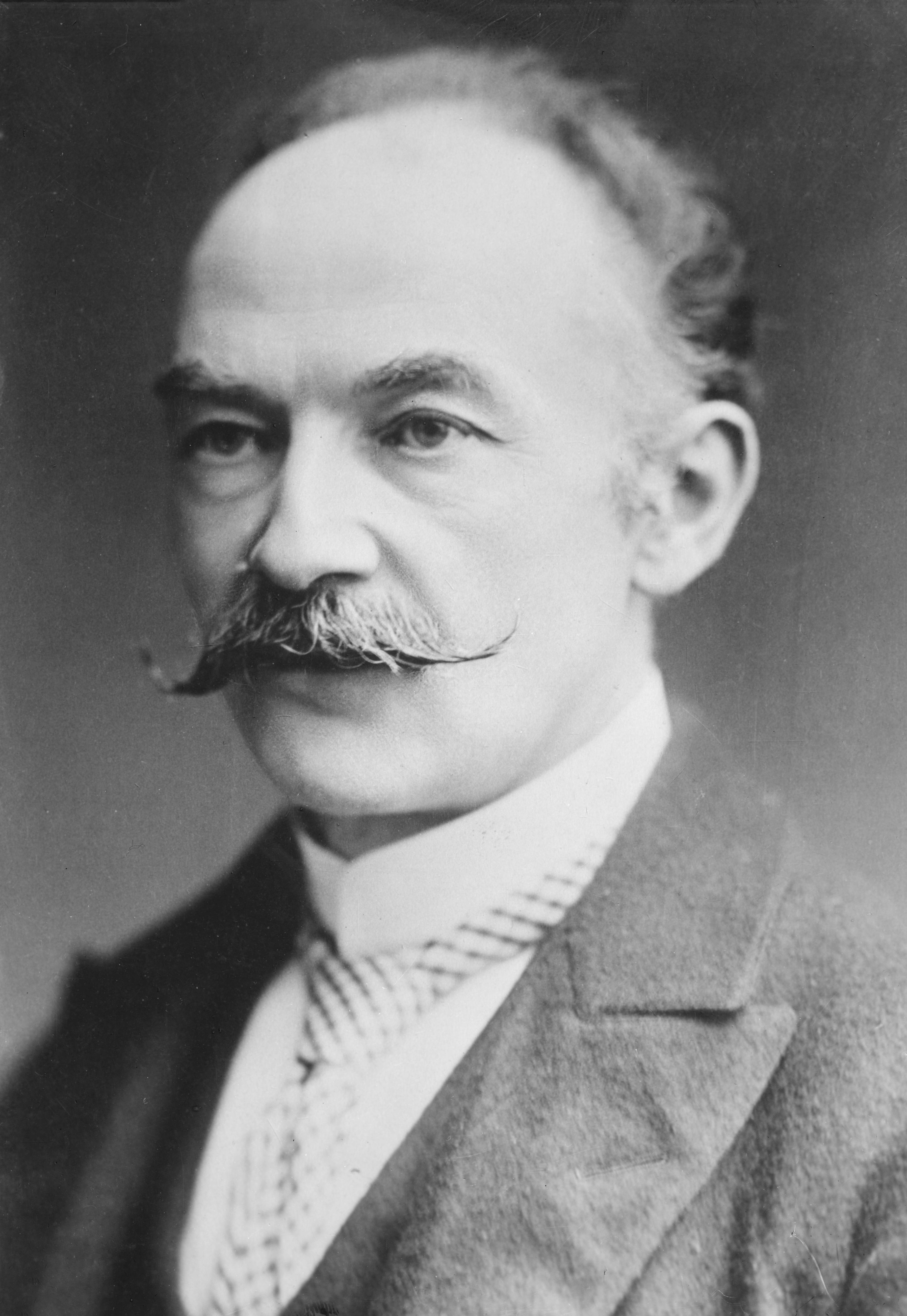
Weathers by Thomas Hardy - Central Idea

Weathers

- Thomas Hardy 

About Poet:
Thomas Hardy (2 June 1840 – 11 January 1928) was an English novelist and poet. He was born in Dorsetshire, England. He trained as an architect and worked in London and Dorset for ten years. He was a trained architect. He began his writing career as a novelist in1870, and was soon successful enough to leave the field of architecture for writing. He wrote a lot about weathers, in his poetry and in his novels. 


About Poem:
The poem „Weathers‟ is a beautiful lyrical poem. He talks about the spring and the winter seasons in the UK.  
In the first stanza he talks about the beauty and liveliness of the spring season. He says that in this season the rain flows quickly over chestnut tree and nightingale sings well. People come out to enjoy the weather and the birds‟ song. The girls are seen in their fine clothes and the people plan to visit different places. 
In the second stanza he talks about the dullness and laziness of the winter season and the cold, damp and wet weather. He says that the cuckoo (bird) dislikes this weather and the beech (trees) turn dry and brown and move around in the wind. It rains a lot and rain or water drops hang from the wooden horizontal „bars‟ of field gates. The birds (rooks) retire to their homes. He says he dislikes this season because the winter season is very cold and wet. 
We may say that symbolically the poem represents the bright and dark aspects of human life.   


Words: 
showers: n. = time of rain or snow 
betumble: v. = fall downward 
chestnut: n. = a large tree that produces nuts covered with spikes 
spike: n= sharp and pointed objects 
nestlings: n = young birds 
bills: v. = poke with beak 
sprig-muslin: n= fine transparent decorated cotton clothes
shun: v = avoid 
beeches: n. a tall forest tree with shiny leaves and small nuts 
dun: adj= grayish
thresh: v. = separate grains 
throb: v. = beat hard 
throe: v. =  sound caused by deadly pain

Developed by  National Centre for Educational Development (NCED) 2069